The start of a new school year can stir up all sorts of emotions. And not only for children. Seeing a young child standing in an oversized blazer and shiny shoes can instantly transport us back to our own school days. Suddenly, we remember the nervous feeling in our stomach, the fear of walking into an unfamiliar classroom or the worry that we wouldn’t have anyone to sit with us.
It’s easy to confuse those memories with the way your child is feeling – they may be excited about seeing their friends, meeting their new teacher or using their new pencil case.
Children look to adults for clues about how they should respond to a situation. If we appear worried or repeatedly reassure them that everything will be all right, they may start to wonder whether there really is something they ought to be worried about.
The more calm and confident we can appear, the more manageable the situation will feel to them.
Prepare Them For What Will Happen
Children usually cope better when they know what to expect. Talk them through the practical details – what time you will leave home, where you will enter the school, which classroom they will go to and who will be there to meet them.
Mental rehearsal helps the brain turn a new experience into something that feels a little more familiar.
If they are starting a new school, take some time together to browse the school’s website beforehand. Encourage them to picture themselves going through the gate, hanging up their coat, finding their seat and saying hello to someone they know.
Make Collection Arrangements Clear
One of the biggest worries for younger children is surprisingly simple – ‘Who is going to pick me up?’
Adults may assume children understand the arrangements, but instructions such as, ‘Daddy is collecting you on Monday, except when Grandma comes after ballet,’ can become confusing very quickly!
I recommend writing out the week’s arrangements on a large sheet of paper and putting it beside the front door. Include who will collect each child, where they will be waiting and what will happen afterwards. Older children can read it for themselves, while younger ones may enjoy having a photograph or drawing of the person collecting them.
Everyone can check the plan as they leave in the morning. It reassures the child, and the bonus is that it can also make the start of the day much calmer for parents.
Begin Separating Before The Classroom
If you have a young child who finds separation difficult, try not to carry them all the way into school or maintain a tight grip on their hand until the very last moment.
Start the process of physically separating a little earlier. Put them down before you reach the gate. Loosen the hand-holding as you walk across the playground. Perhaps encourage them to carry their own bag or walk the final few steps beside you rather than clinging to you. This gives their mind and body time to adjust gradually.
If the entire process of separation happens at the classroom threshold, it can feel much more sudden and dramatic.
Keep your goodbye warm but brief. A hug, a smile and a confident, ‘Have a lovely day – I’ll see you at three o’clock,’ will usually be more helpful than repeatedly returning for one final kiss.
Reassure That You’ll Be Thinking About Them
Young children can sometimes worry that once they are out of sight, you will become busy with other things and forget about them. You can help by telling them about one small thing you will do for them while they are at school.
You might say, ‘While you’re at school, I’m going to hunt for that missing sock,’ or ‘I’m going to buy some currant buns because I know you like having one when you come home.’
This gives them a comforting image to carry through the day. Even though you are not physically with them, they know that they are still present in your mind and connected in some way.
Re-establish Routines Gradually
Long summer evenings often mean later bedtimes, slower mornings and a more relaxed approach to meals. Suddenly switching back to an early school routine can be a shock to everyone’s system.
During the final week of the holiday, begin moving bedtime and waking time back towards the school schedule. Prepare uniform, bags and shoes the night before so that the morning doesn’t become a frantic search for missing items.
A rushed, irritable morning can make school feel stressful before children have even arrived.
Avoid Interrogation After School
When your child comes home, give them time to decompress. School is a busy sensory and social environment, particularly after weeks of being at home.
Offer a drink and a snack, but don’t be discouraged if the answer to ‘What did you do today?’ is ‘Nothing.’ This often means that everything was perfectly ordinary – which is exactly what you want.
Children are sometimes more willing to talk while doing something else, such as drawing, playing, walking or helping with dinner. Instead of asking lots of questions, try sharing something about your own day and leave space for them to join in.
Your child may also be more tired, tearful or irritable during the first couple of weeks. This doesn’t necessarily mean that something is wrong. Holding everything together at school requires a great deal of energy, and emotions may spill out once they feel safe at home.
Be patient, keep routines steady and allow your child time to find their feet again. Returning to school is a big adjustment, but with calm preparation and plenty of reassurance, it can soon begin to feel familiar again.
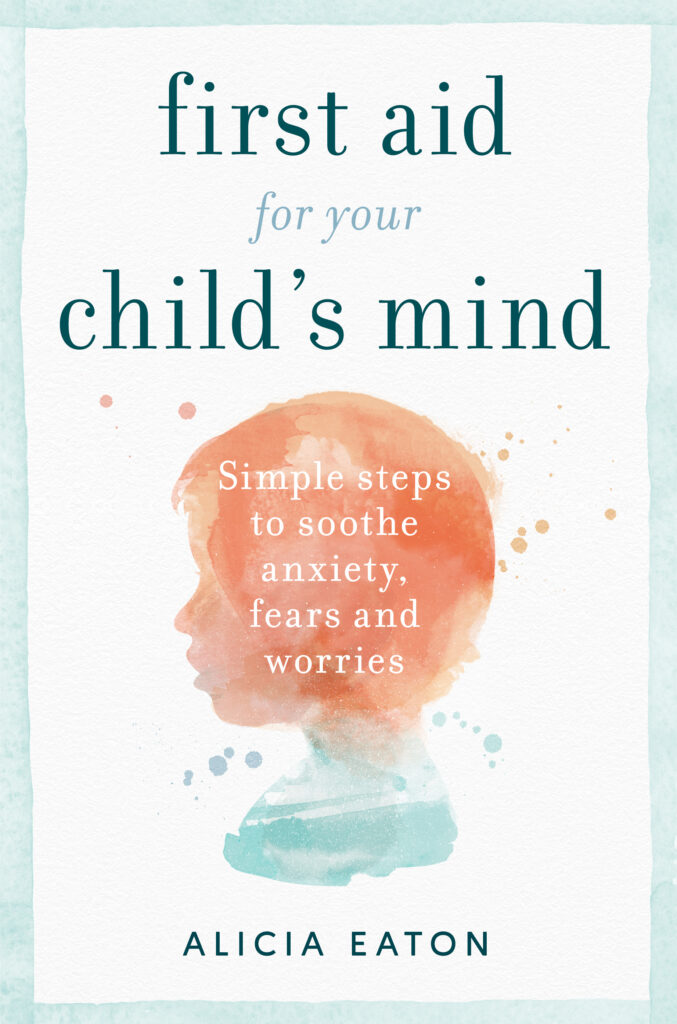
Alicia Eaton is a Psychotherapist and Parenting Author.
First Aid for your Child’s Mind is available from her website: www.aliciaeaton.co.uk
Cover Photo: by Laura Rivera at Typic