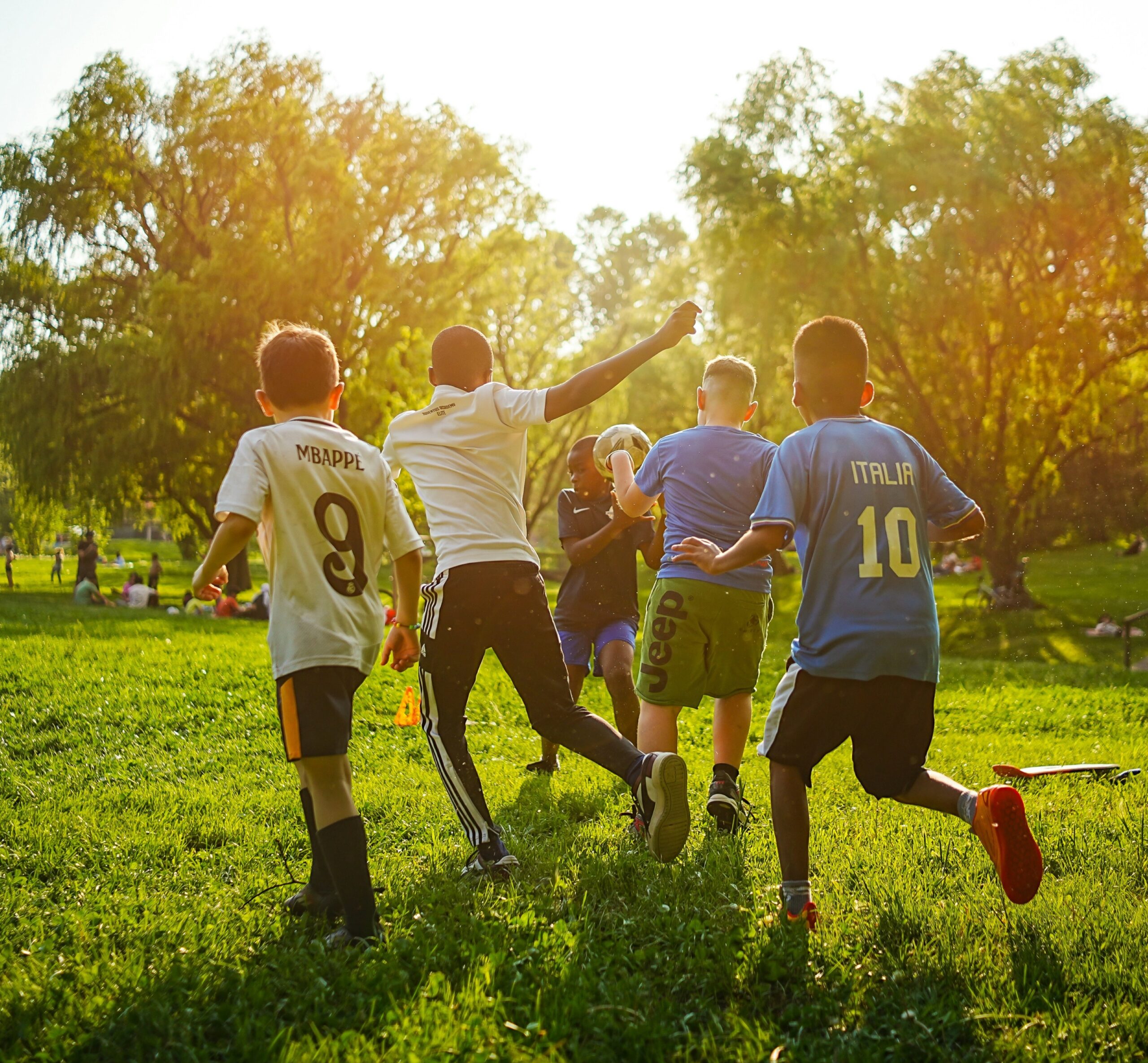
From an early age, I was fortunate to experience sport in a positive and supportive way. My father, an amateur footballer, made sport enjoyable rather than pressurised and I too became a happy junior footballer for a Premier League club. That experience and my father’s attitude shaped my belief that sport can be hugely beneficial, whatever a child’s ability or background.
For many years I worked as a teacher and senior coach in London schools. I also happened to support Belsize Park families, helping children from 7-11 years as a private tutor. Still today, I receive phone calls from former pupils who are now parents themselves seeking guidance for their own children, as well as enquiries arising from the various magazines in which my articles appear.
My experience-led guidance is particularly useful for parents with children who are passionate about sport, especially as they might want their kids to keep steady progress in other subjects too.
Over many years working with boys and girls aged 11-18, I have often noticed that when young people care deeply about their sport, they can place unnecessary pressure on themselves. This may affect both their enjoyment and performance. Also many teenagers are dealing with constant stimulation from screens and the demands of busy schedules. This can leave them mentally tired. A child who appears unmotivated is often not lacking effort but simply feeling overwhelmed.
How to Support a Child who Loves Sport
These practical steps are based on my many years of working with young people and families, and key sports psychology principles.
- Praise effort, attitude and commitment
A young person who learns to keep going after setbacks develops resilience, which is needed for all aspects of life. Setbacks are an integral part of sport. With encouragement, young people can learn to reflect, refocus and maintain determination. - Value practice and patience
While instant success is sometimes possible, sport teaches that progress comes through perseverance. Each time a child practises a skill, the brain is strengthening important pathways – a process known as neuroplasticity. Development is gradual, so I always say, Take the next small step well! - Build confidence through responsibility
One of the most effective ways to build confidence is to give children responsibility. For example, in grassroots cricket older children can be encouraged to umpire matches for younger age groups. This develops communication, decision-making, and quiet self-belief. - Encourage discipline
Young people who make steady progress are often those who respect the rules. Turning up on time to a sports class, preparing properly for a match or training, and regular practice all build discipline. Children also need time away from disciplined routines, because rest, play and home time help them return to schoolwork and sport with renewed enthusiasm.Cover Photo: By Simone Franchina @ Typic 2